


peso63 | Exploring the Captivating World of Simulation Games
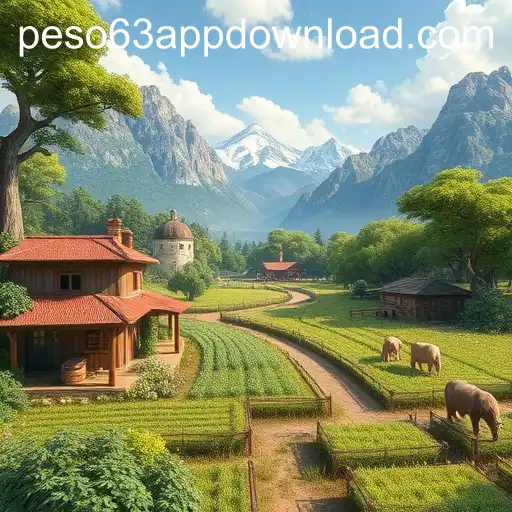
Simulation games have carved a unique niche in the gaming universe, offering players the opportunity to simulate real-world activities, manage virtual worlds, and even explore scenarios beyond reality. From the ever-popular city-building tasks to the intricacies of managing a bustling amusement park, simulation games provide an intriguing escapism that's as educational as it's entertaining.
The allure of simulation games often lies in their capacity for creativity and strategic thinking. Players are drawn to the idea of replicating real-world processes and developing complex infrastructure systems, all while balancing resources and overcoming challenges. Iconic games such as SimCity, The Sims, and Farming Simulator offer different flavors of simulation, allowing gamers to build cities from scratch, create virtual personas, and cultivate thriving farms.
One of the key elements that make simulation games stand out is the blend of realism with fiction. They are instrumental in teaching fundamental concepts such as resource management, planning, and multitasking. For example, a game like Planet Zoo not only provides entertainment but also educates players about wildlife conservation and biodiversity. This dual-purpose functionality has turned simulation games into a valuable educational tool.
As technology advances, so does the potential of simulation games. With keyword interests like 'peso63,' emerging trends hint at a rising interest in personalization and deeper immersion. Developers are continually exploring innovative features, such as augmented and virtual reality, to amplify the gaming experience. Imagine stepping into a virtual world where you manage your city or farm in a format that's almost indistinguishable from real life.
Moreover, the community aspect of simulation games further enriches the experience. Whether it’s sharing tips on strategy forums, contributing custom mods, or collaborating in multiplayer environments, players actively shape the evolution of these games. This vibrant community involvement drives the genre forward, ensuring fresh content and diverse gameplay experiences.
In conclusion, simulation games hold a special place in the gaming industry by blending creativity, strategy, and realism. They offer players a chance to explore diverse worlds, challenge their management skills, and learn through play. As new technologies and community-driven content continue to emerge, the breadth of experiences available in simulation games will only expand, captivating both longtime fans and newcomers alike.
